
4 Things to Know Before Starting a Renovation
a well-designed home should be as thoughtful in its planning as it is beautiful in its execution.
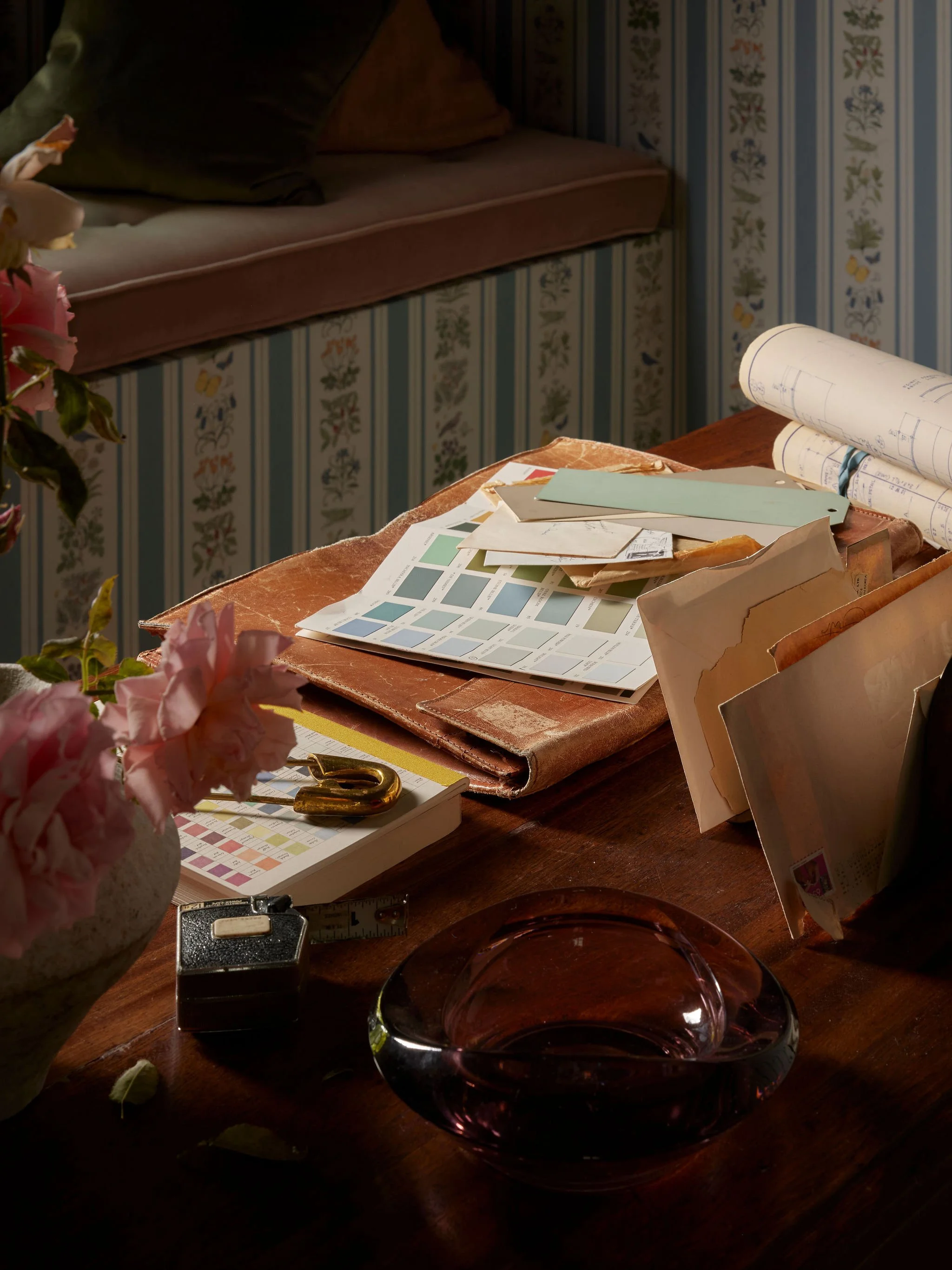
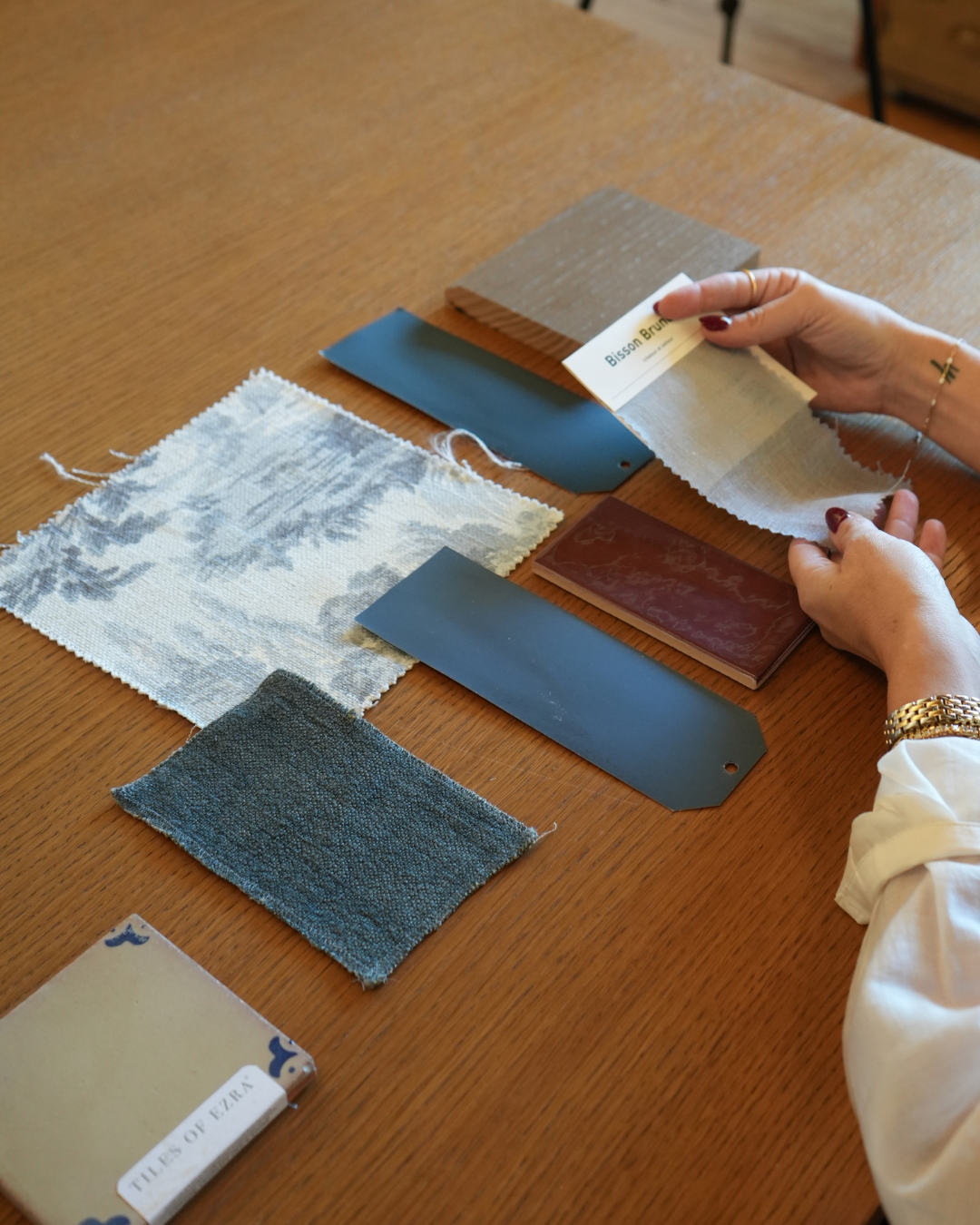
A home renovation is an opportunity to rethink how you live, how your spaces function, and how you want your home to feel. But before the walls come down or the finishes are selected, there are a few important things worth considering.
Over the years, we've seen firsthand how much of a difference thoughtful planning can make. The most successful renovations aren't necessarily the ones with the biggest budgets or the most dramatic transformations. They're the ones where decisions are made with intention, well before construction begins.
Whether you're renovating a single floor or reimagining your entire home, here are four things we always encourage homeowners to consider before getting started.
01. Start With a Plan
It can be tempting to jump straight into the more enjoyable parts of a renovation, like choosing materials, exploring finishes, and collecting inspiration. But before any of those decisions are made, it's important to establish a clear plan.
Think about how you currently use your home, what's working, what isn't, and what you hope to achieve through the renovation. Are you looking for a more functional layout? Better storage? Spaces that feel more connected? Or simply a home that better reflects your personal style?
These conversations help establish the foundation for every decision that follows.
From space planning and architectural considerations to material selections and custom millwork, having a well-developed design in place before construction begins can help avoid unnecessary changes, delays, and added expenses down the road.
A little more time spent planning at the beginning often makes for a much smoother process overall.
02. Establish a Realistic Budget
One of the most important conversations to have early in the renovation process is about budget.
And while construction costs are often top of mind, there's much more to consider when determining the overall investment.
Architectural drawings, interior design fees, permits, materials, custom millwork, lighting, furnishings, and installation can all contribute to the final cost. In older homes especially, it's also important to leave room for the unexpected. Once construction begins, hidden conditions can sometimes reveal themselves.
Establishing a realistic budget from the outset allows your design team to make informed recommendations and prioritize where your investment will have the greatest impact.
It's not necessarily about spending more, but about understanding where to allocate your budget to achieve the result you're looking for.
03. Don't Overlook the Details
Some of the most important design decisions are also the easiest to overlook.
The profile of a baseboard, the placement of a wall sconce, the way two flooring materials meet, or the proportions of custom cabinetry might seem like relatively small considerations on their own. But collectively, these are the details that give a home its character.
They're also decisions that are much easier to get right before construction is underway.
For example, lighting placement needs to be considered alongside furniture layouts and millwork, not after the electrical work has been completed. The same goes for architectural details, material transitions, and the relationship between built-in elements throughout the home.
We spend a great deal of time considering these smaller moments because they have such a significant impact on how a finished space looks and feels.
Often, it's the details you don't immediately notice that make a home feel so beautifully resolved.
04. Have a Cohesive Vision
A thoughtfully designed home should feel connected, even when each room has its own personality.
That doesn't mean every space needs to use the same colour palette, materials, or furnishings. In fact, some of the most interesting homes are those that embrace variation, layering, and a little contrast.
What matters is having an overarching direction that ties everything together.
This might come through consistent architectural details, complementary materials, a shared approach to colour, or the balance of old and new elements throughout the home.
Without that larger perspective, it's easy to make individual decisions that look beautiful on their own but don't necessarily work together.
Thinking about the home as a whole, rather than a collection of separate rooms, helps create an interior that feels natural, considered, and uniquely yours.
A Little Planning Goes a Long Way
There's so much to look forward to when renovating a home, but the work that happens before construction is often what makes the biggest difference in the end.
Taking the time to establish a clear plan, understand your budget, consider the details, and develop a cohesive design direction can make the entire process more enjoyable and the finished result that much more rewarding.
At Parris McKenna Design, we believe a well-designed home should be as thoughtful in its planning as it is beautiful in its execution.
Considering a renovation? We'd love to hear what you have in mind.