
What Does a Full-Service Interior Designer Actually Cost?
Understanding the investment behind high-end, full-service interior design
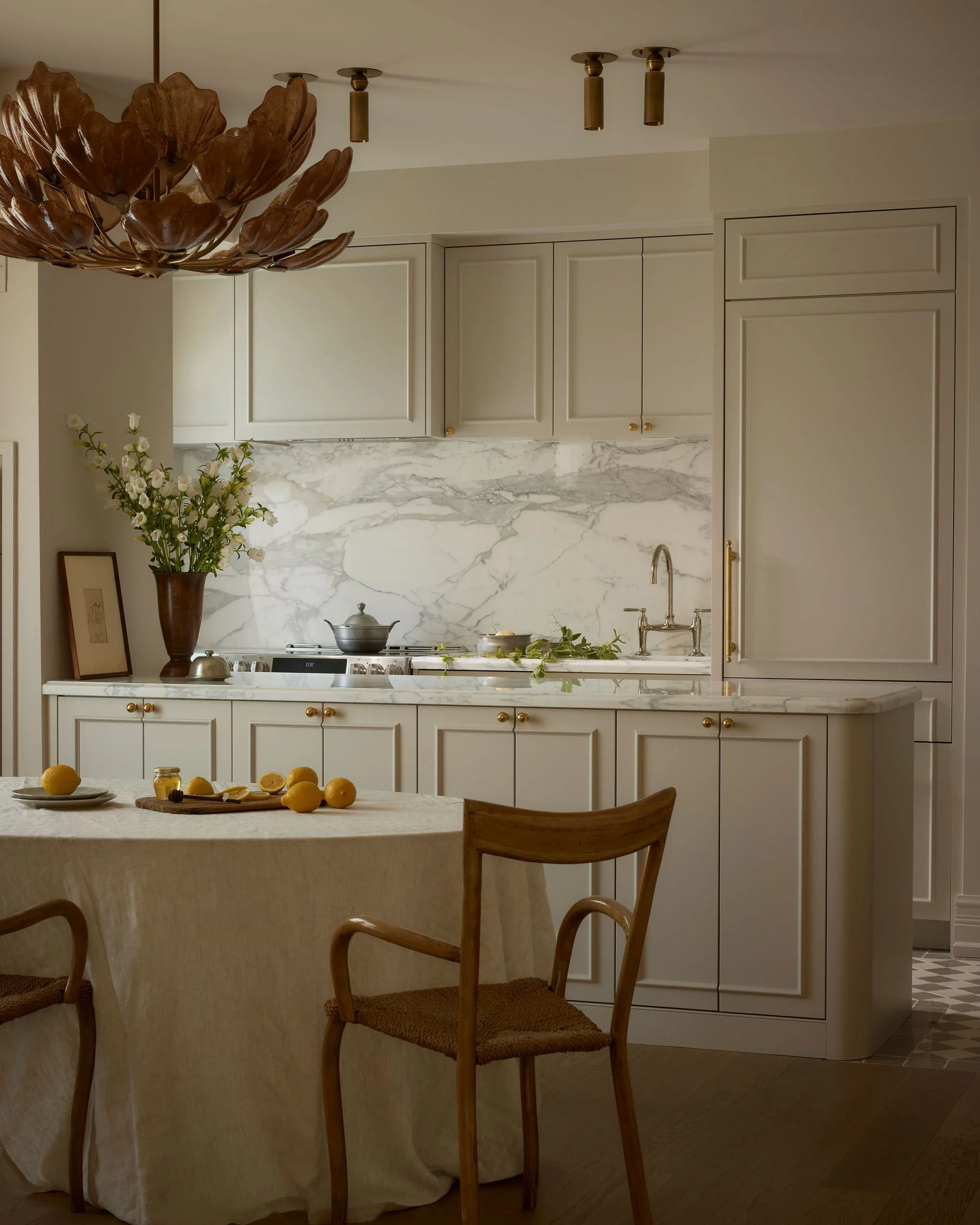
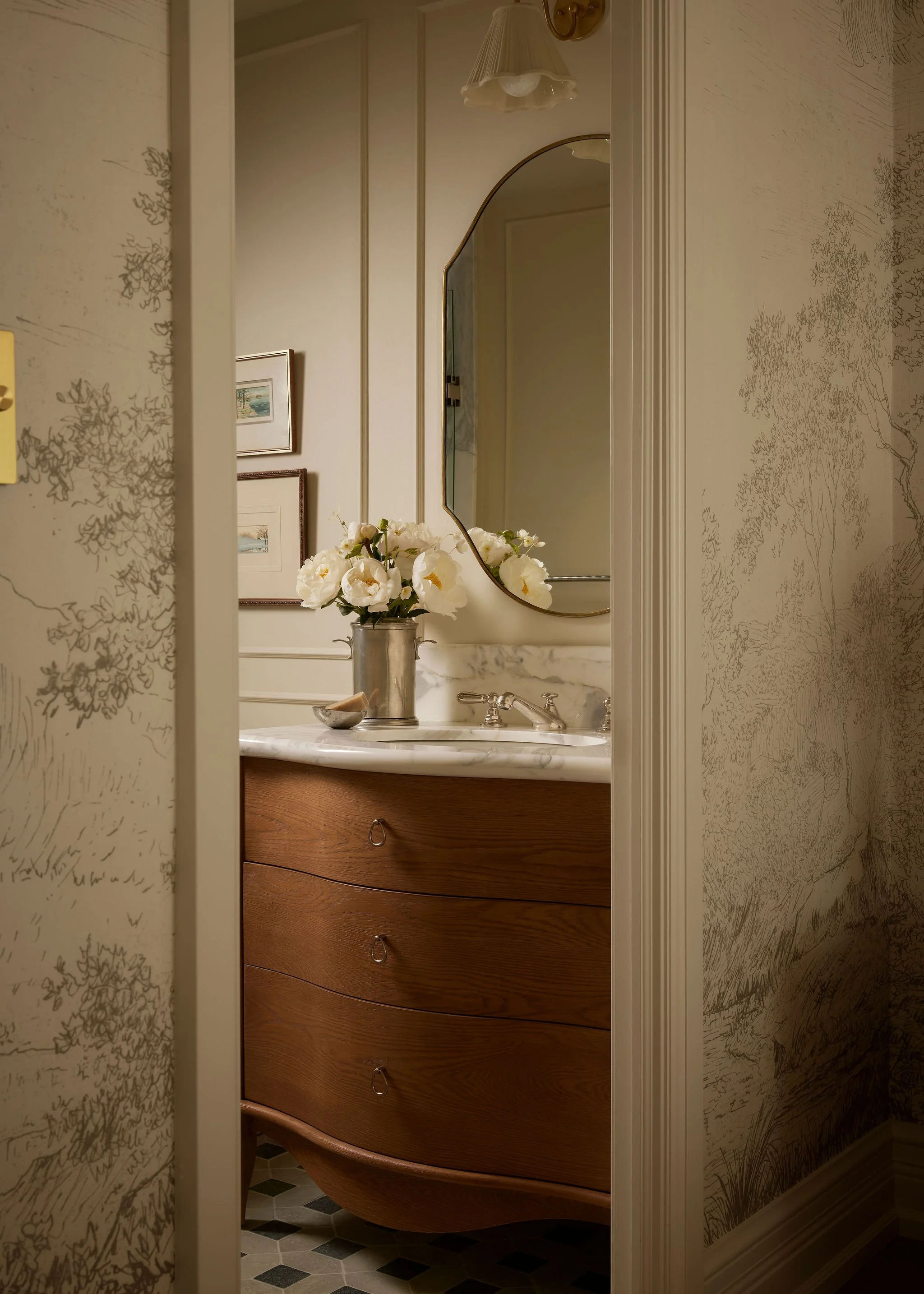
When planning a custom home or major renovation, there are countless numbers to consider: construction, millwork, stone, appliances, furnishings, lighting. But one cost can be harder to understand before you've been through the process yourself: interior design fees.
What does a full-service interior designer actually cost? And more importantly, what are you paying for?
The answer varies significantly from project to project. The size of the home, scope of work, complexity of the design and level of customization all influence the final investment. But understanding what full-service design actually entails is an important place to start.
What does “full-service” interior design actually mean?
Full-service interior design goes far beyond selecting furniture and finishes.
For a custom new build or extensive renovation, a designer should ideally be involved early in the architectural process. At Parris McKenna Design, our work can begin with reviewing schematic drawings and establishing the overall interior direction, then continue through the many decisions required to bring that vision to life.
That can include space planning, material and finish selections, custom millwork and furniture design, construction documentation, procurement, project management, construction oversight, installation and final styling.
Rather than approaching each room or selection independently, the goal is to consider the home as a whole — how spaces connect, how materials transition, how the architecture informs the interiors, and how every decision contributes to a cohesive finished home.
What are you actually paying for?
Much of the value of full-service design happens long before the furniture arrives.
There are the visible decisions: the stone, flooring, plumbing fixtures, lighting, furniture and fabrics. But behind those selections is a significant amount of planning, documentation, coordination and problem-solving.
A full-service design firm brings expertise to every stage of the project, including:
Space planning and flow optimization
Interior architectural direction
Material, finish, fixture and lighting selections
Custom millwork and furniture design
Construction drawings and documentation
Access to established suppliers, artisans and workrooms
Procurement and order management
Coordination with architects, builders, trades and vendors
Construction oversight
Installation and styling
Final handover
There is also the experience that comes from having completed projects before yours: knowing which details need to be resolved early, which materials perform well, where costly mistakes commonly happen and how hundreds of individual decisions will ultimately work together.
What determines interior design fees?
There isn't a universal fee for full-service interior design because there isn't a universal project.
A 2,000-square-foot renovation has very different requirements from a 7,000-square-foot custom new build. A home requiring extensive custom millwork, bespoke furniture and highly detailed architectural elements will require a different level of involvement than one with a more limited scope.
Generally, the investment is influenced by the size of the home, overall scope, whether the project is a renovation or new build, level of customization, project timeline and complexity.
The earlier the design team becomes involved, the more opportunity there is to resolve these elements cohesively before construction begins.
So, what does a full-service interior designer cost?
For a high-end, full-service residential project, design fees will often fall somewhere in the range of 7–15% of the overall construction budget, which generally includes labour and materials.
It's important to treat this as a guideline rather than a quote. Every firm structures its fees differently, and every home brings its own scope and requirements.
A project's final design fees ultimately reflect the amount of time, expertise and involvement required to take it from initial concept through construction and installation.
The value of getting it right from the beginning.
On a large-scale renovation or custom build, seemingly small decisions have a way of affecting everything around them.
A change to a floor plan can affect millwork. A millwork decision can affect electrical locations. Lighting can affect ceiling plans. Material selections can influence construction details and lead times.
Without those decisions being considered together, the consequences often appear later — as delays, change orders, compromised design decisions or details that simply don't work as intended.
A full-service design team becomes one of the threads connecting all of those moving pieces.
The objective isn't simply to create a beautiful finished home. It's to create clarity throughout the process, maintain a consistent vision from the earliest drawings to the final installation, and make an inherently complex undertaking feel significantly more manageable for the client.
When should you hire an interior designer?
For a custom new build or substantial renovation, earlier is almost always better.
Ideally, your interior designer is brought in while the architectural plans are still being developed — before every wall, doorway, electrical location and plumbing fixture has been finalized.
This gives the architect, builder and interior designer the opportunity to approach the home collaboratively and allows interior considerations to inform the architecture rather than having to work around decisions that have already been made.
By the time construction begins, there should already be a clear vision for where the home is going.
Planning a renovation or custom home?
Every project begins with a conversation.
If you're considering a custom new build or full-scale renovation, we'd love to learn more about your home, your vision and what you're hoping to create.