
How to Make a Builder-Grade Home Feel Collected
a standard Toronto condo BECAME a layered, character-filled home.
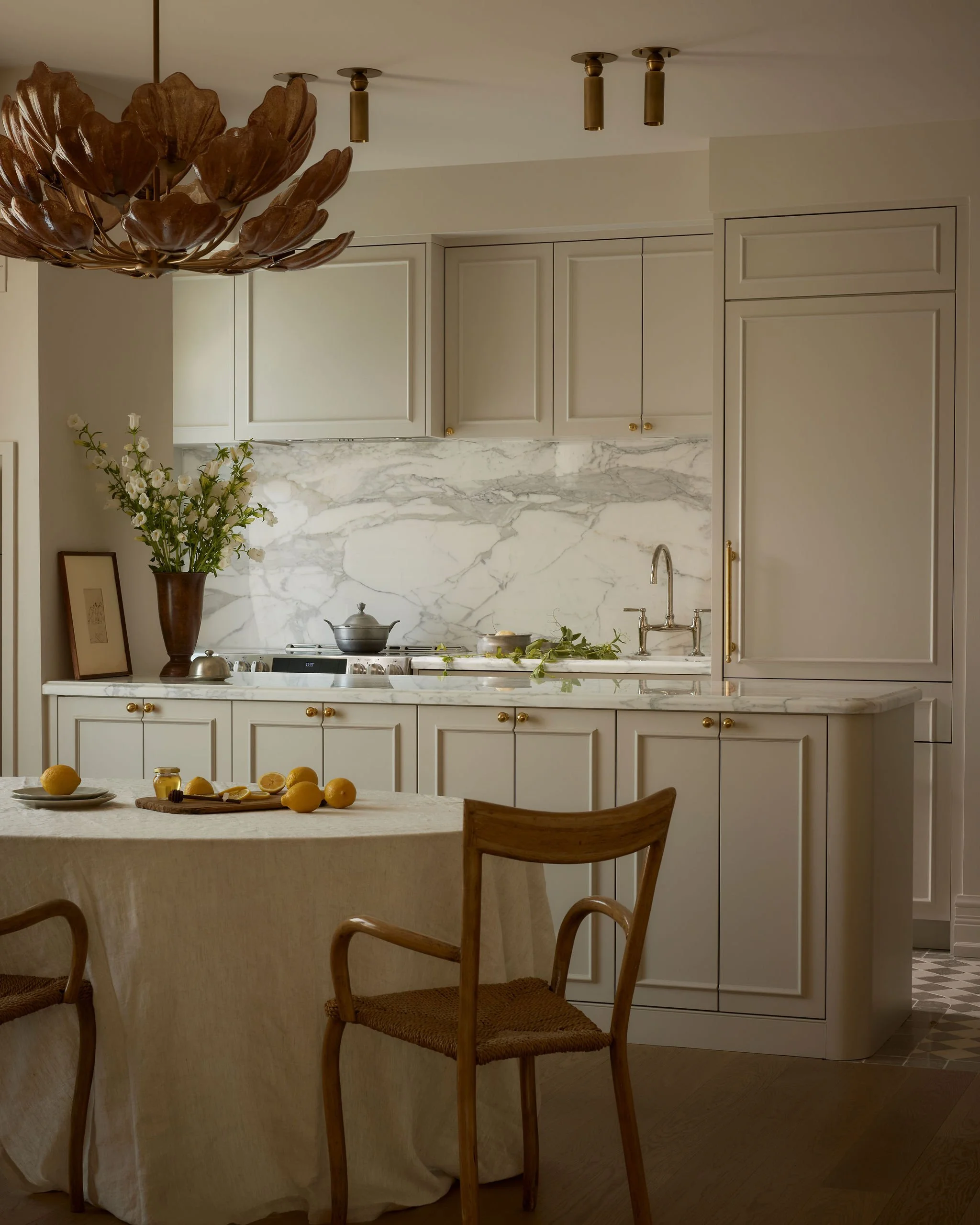
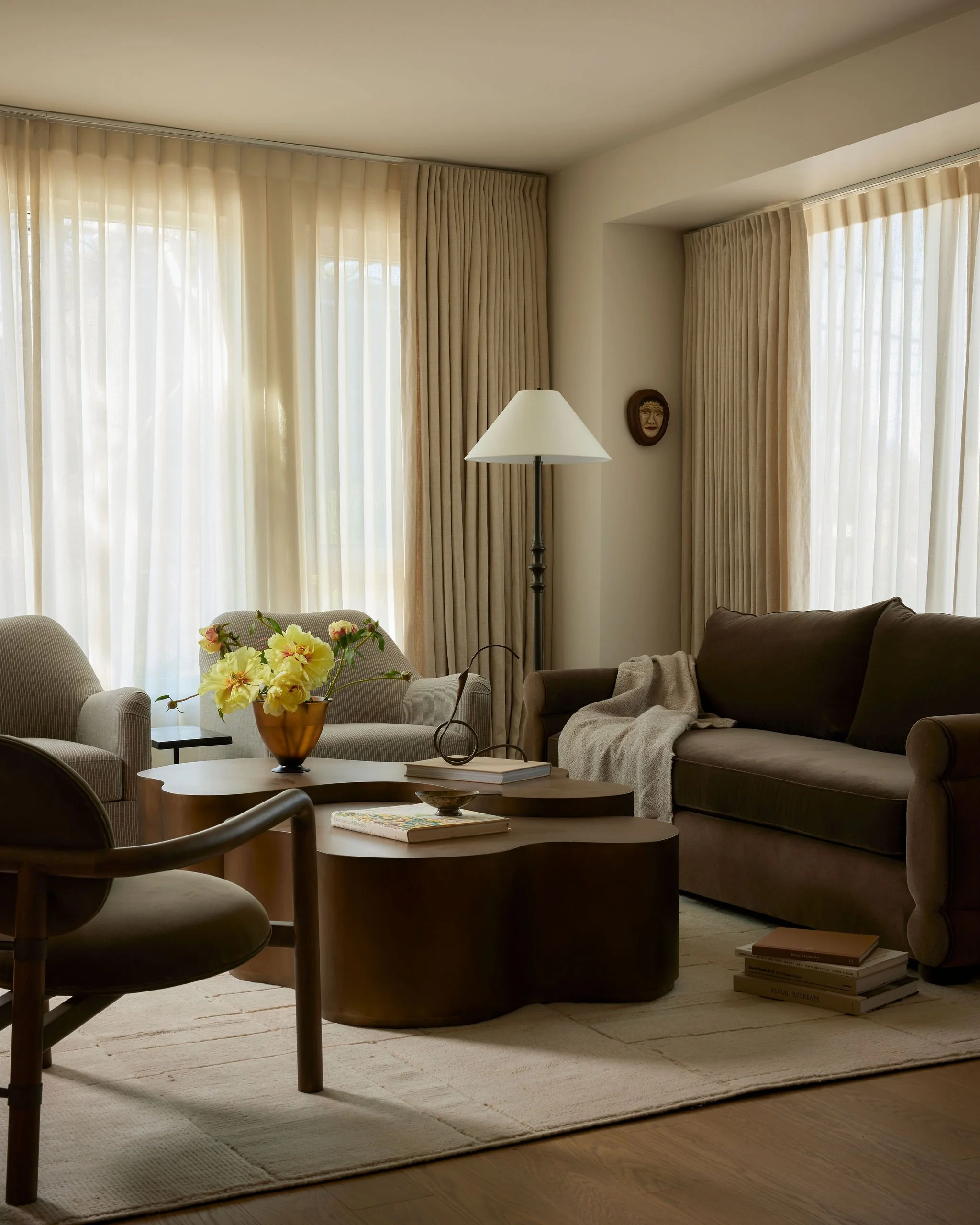
The goal with Project Ivywood was never simply to make it feel new. In many ways, it was the opposite.
When we first visited this 1,300-square-foot condo in Toronto's Beaches neighbourhood, the existing builder-grade interior lacked the architectural character and sense of permanence we envisioned for the finished home. A complete down-to-the-studs renovation gave us the opportunity to reconsider everything – from the layout and flow to the millwork, materials, lighting, and smallest finishing details.
Drawing inspiration from modern Parisian interiors, we wanted to create a home that felt as though it had evolved over time: warm and layered, with a balance of classic influences and contemporary ease.
START WITH THE ARCHITECTURE
Creating a collected home begins long before furniture and accessories enter the picture.
For Ivywood, we started by reconsidering the architecture itself. Rather than allowing the existing builder-grade layout to dictate how the family would live, we looked at how each space could flow more naturally and how architectural details could bring character to the home.
Custom millwork became an integral part of that transformation, adding both function and a sense of permanence. Details were considered in relation to the home as a whole, allowing each room to feel distinct while maintaining a consistent language throughout.
The goal wasn't to replicate a historic Parisian apartment, but to borrow from the qualities that make those interiors so enduring – considered proportions, beautiful craftsmanship, and details that feel intrinsic to the architecture.
CHOOSE MATERIALS WITH CHARACTER
Materials have an enormous influence on whether a newly renovated home feels layered or simply new.
Throughout Ivywood, we gravitated toward rich natural materials and warm, textural finishes that would develop character rather than feel overly pristine. Stone, wood, metal, textiles, and painted finishes were selected not only for how they looked individually, but for the way they interacted with one another.
Variation and imperfection were embraced rather than avoided. Natural materials bring depth that can be difficult to replicate, helping even a newly completed space feel grounded and established.
Instead of one material or finish becoming the focal point, the interest comes from the conversation between them.
LAYER OLD AND NEW OBJECTS
One of the most effective ways to create a home that feels collected is to resist the urge to source everything from the same place – or the same era.
At Ivywood, contemporary pieces sit comfortably alongside more traditional forms, vintage finds, art, and objects with their own sense of history. This contrast keeps the interiors from feeling overly coordinated and gives each room a personality that extends beyond the renovation itself.
A home doesn't need to adhere rigidly to one period or aesthetic. In fact, it's often the tension between old and new that makes a space feel most interesting.
The result should feel less like a room that was installed all at once and more like a home that has been thoughtfully assembled over time.
LET FUNCTION INFORM THE DETAILS
Character and practicality don't have to exist at opposite ends of the design process.
With 1,300 square feet to work with, every area of Ivywood needed to be considered carefully. Custom storage, millwork, and modern conveniences were integrated into the architecture wherever possible so that functionality didn't become visually disruptive.
This is particularly important in smaller city homes, where each space often needs to work harder.
Rather than treating practical requirements as something to disguise after the fact, we incorporated them into the design from the beginning. The most successful solutions are often the ones you barely notice.
DON’T OVER-FINISH THE SPACE
Perhaps the most important part of creating a collected home is knowing when to stop.
Not every wall needs something on it. Not every piece needs to match. And not every decision needs to announce itself as a design moment.
At Ivywood, restraint was just as important as layering. Quieter moments give more expressive details room to breathe, while leaving space for the homeowners to continue adding pieces and memories over time.
A finished interior shouldn't feel frozen at the moment the renovation ends. It should provide a foundation for the life that will continue to unfold within it.
A HOME DESIGNED TO EVOLVE
Project Ivywood is ultimately a study in balance: old and new, beauty and function, refinement and ease.
What began as a builder-grade condominium is now a home that feels warm, personal, and entirely its own. While its modern Parisian influence can be seen throughout, it isn't defined by a single aesthetic. Instead, its character comes from the accumulation of thoughtful decisions – architecture, materials, craftsmanship, furnishings, and objects working together to create a sense of depth.
Because the most enduring homes aren't necessarily the ones that feel perfectly finished.
They're the ones that feel like they've always been there – and still have room to evolve.