The Case for Custom Furniture
How we decide which pieces are worth making from scratch.
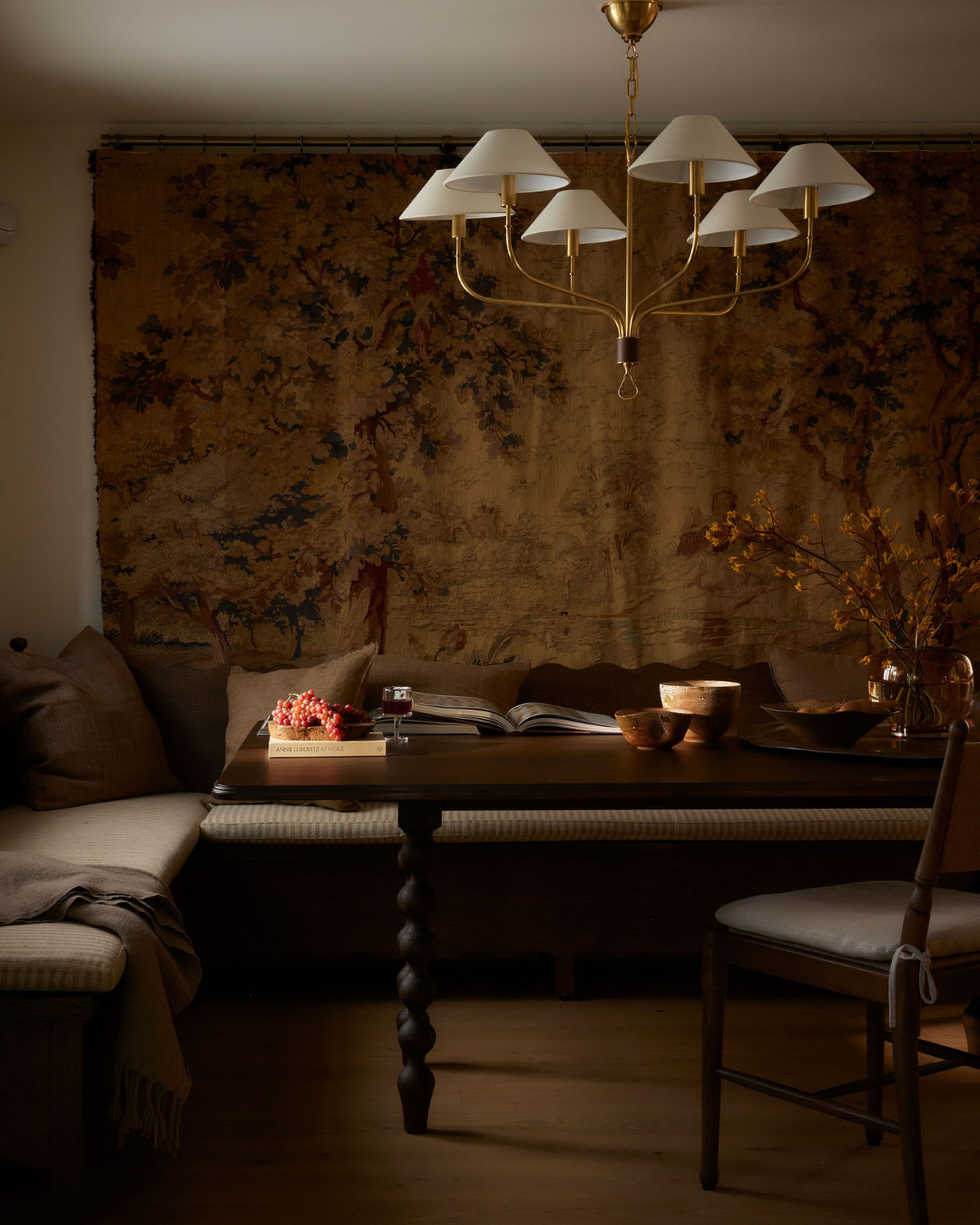
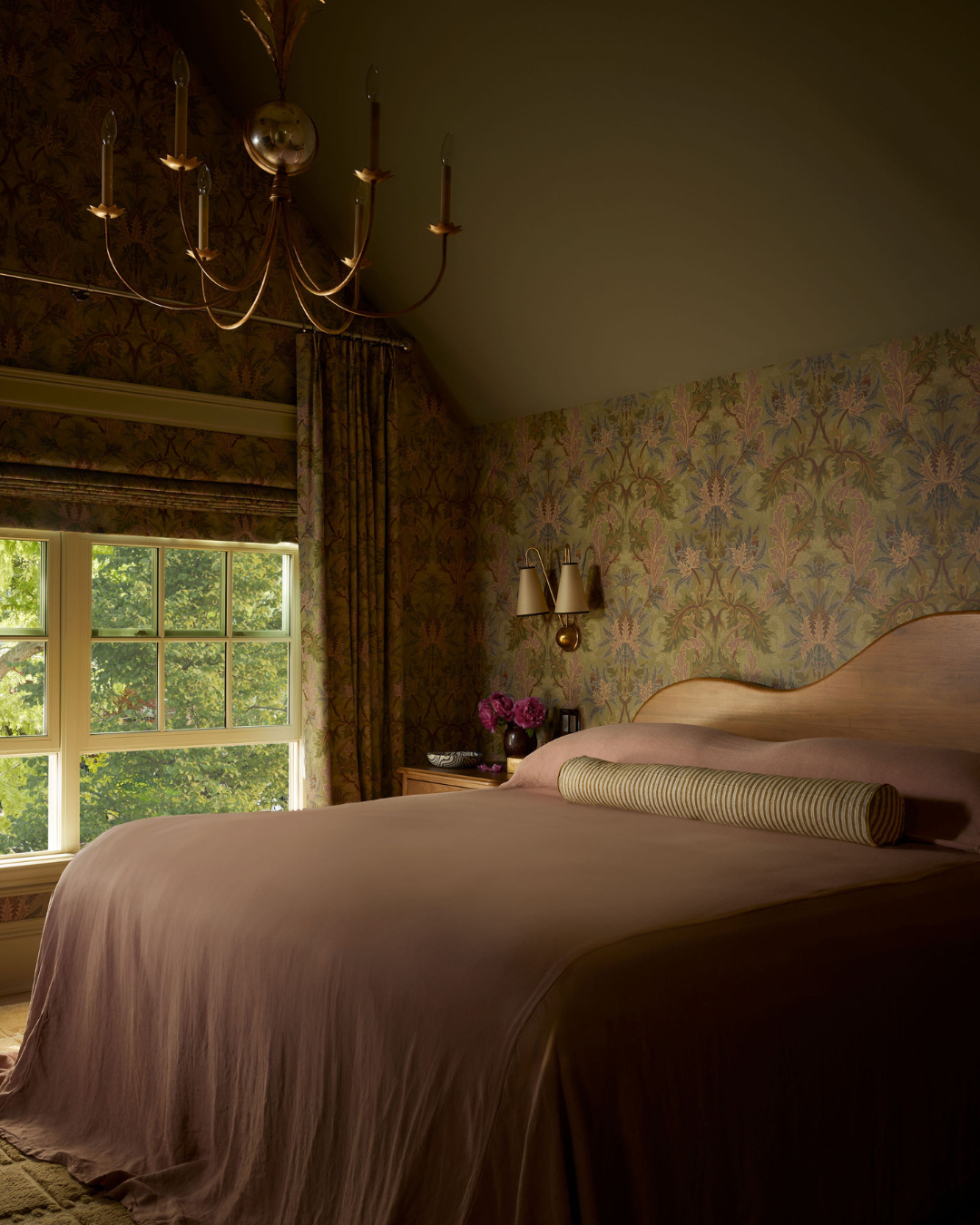
One of the biggest misconceptions about interior design is that custom furniture is always better.
It isn't.
There are exceptional furniture makers creating beautiful pieces that we source regularly for our projects. Dining chairs, sofas, occasional tables, lighting and accessories are often selected because they're already incredibly well designed.
The question isn't:
"Can we make this custom?"
It's:
"Should we?"
So, before we sketch anything, we ask ourselves four questions:
Does the room have unusual proportions?
Perhaps it's a bay window.
An awkward alcove.
A long, narrow room.
Sometimes standard furniture simply doesn't respond well to the architecture.
Does the piece need to solve a problem?
The best custom furniture usually begins with a challenge.
It might need to:
provide additional storage
seat more people comfortably
hide technology
divide an open-plan room
make an awkward corner functional
If one piece can solve several of those at once, it's often worth designing.
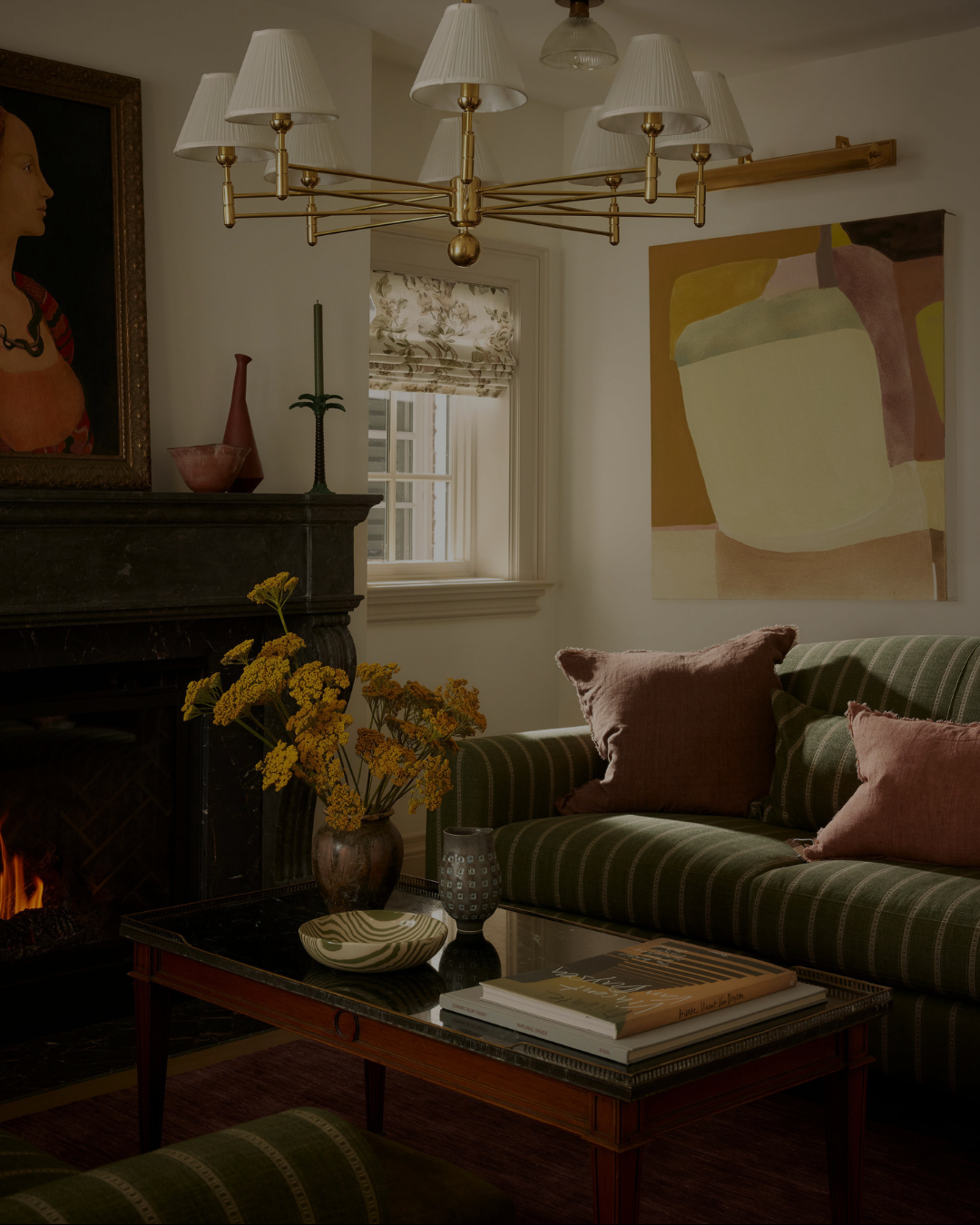
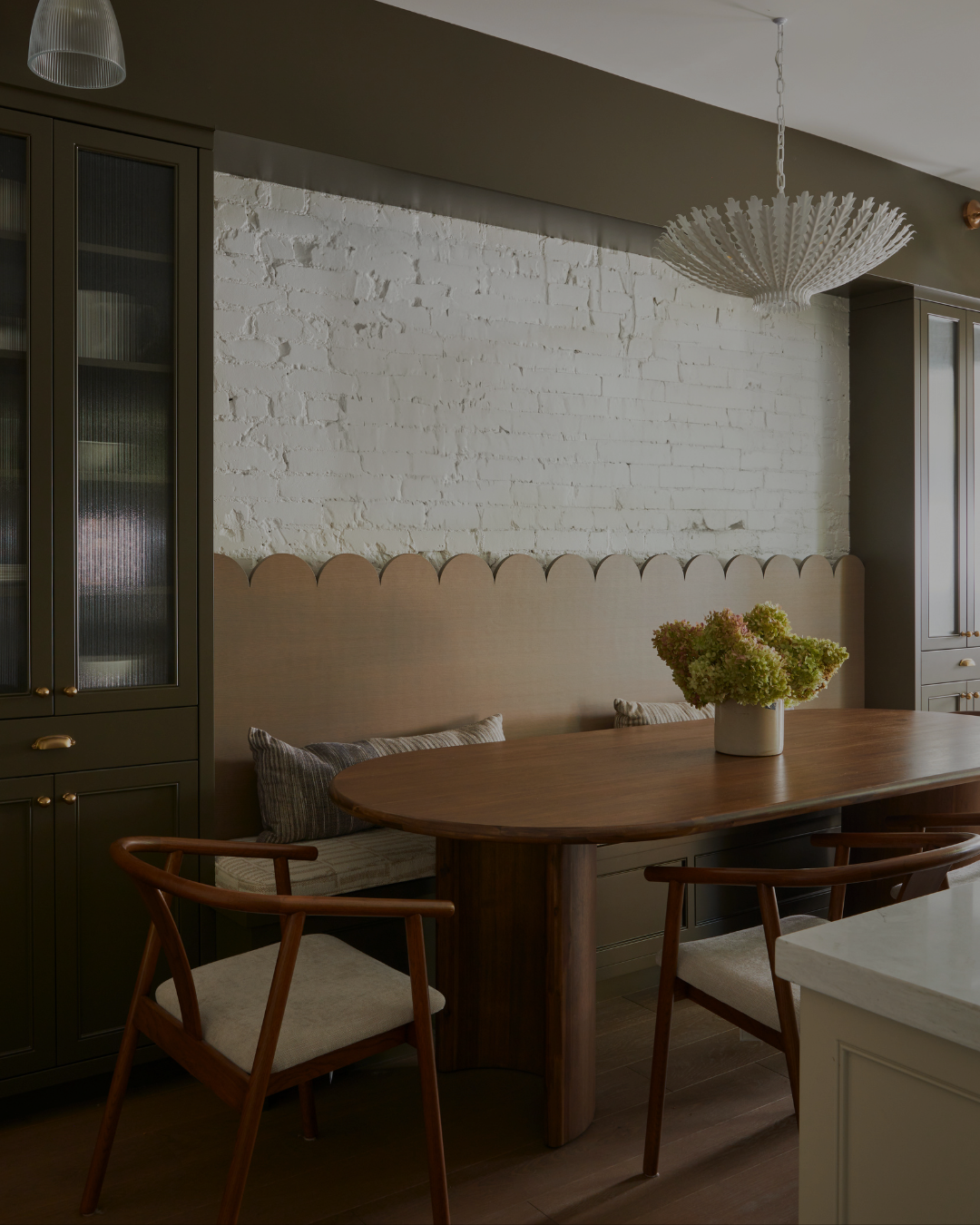
Is scale critical?
Scale is one of the biggest reasons we'll recommend custom.
A piece that's just 150mm too short can make an entire room feel disconnected.
Likewise, furniture that's too bulky can interrupt circulation, block natural light, or overwhelm the architecture.
Sometimes the perfect dimensions simply don't exist off the shelf.
Will it become part of the architecture?
Some furniture doesn't just occupy a room.
It defines it.
Think:
breakfast banquettes
media walls
libraries
window seats
vanities
built-in desks
These pieces often feel strongest when they're designed as part of the home rather than added afterwards.
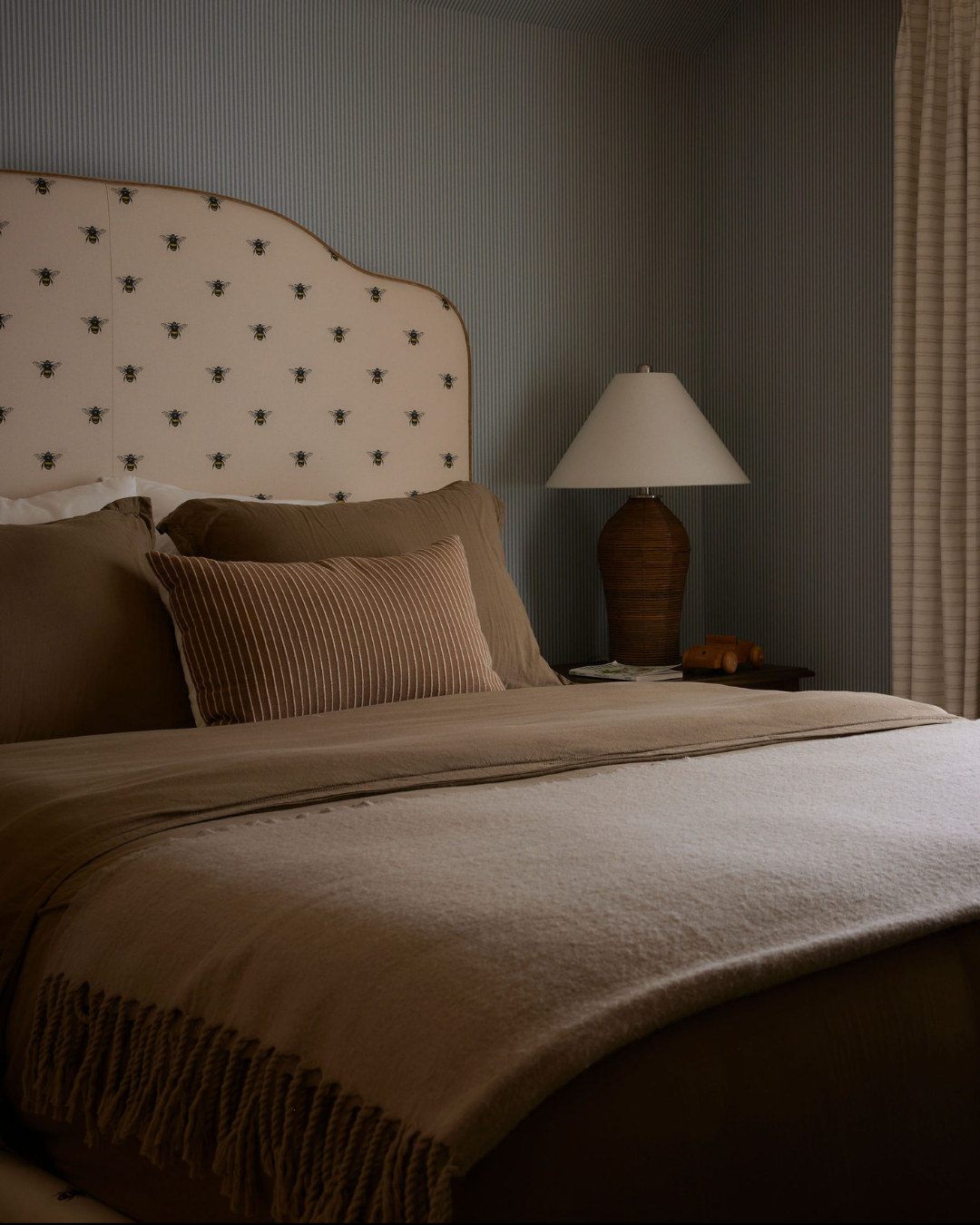
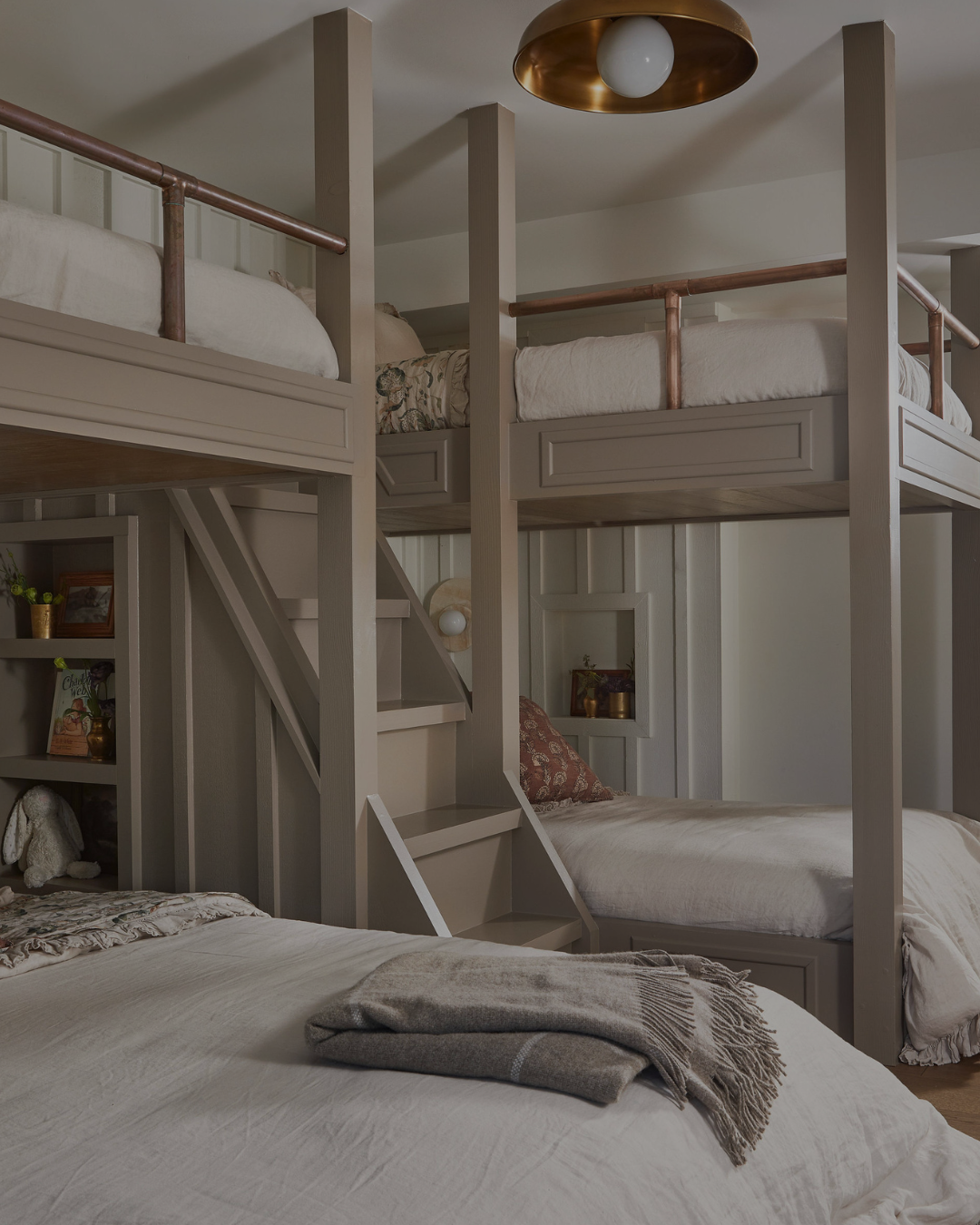
Designing custom furniture is surprisingly technical.
Most people imagine choosing fabrics first.
In reality, that's one of the last decisions we make.
Every custom piece begins with function.
From there we work through:
dimensions
ergonomics
circulation
storage requirements
material selection
construction details
joinery
upholstery
finishing
Only once those decisions have been resolved do we begin refining the aesthetic.
The goal is never to make something custom. Ironically, that's rarely the objective.
The objective is to create a home that feels thoughtful, cohesive, and deeply personal.
Sometimes the right answer is sourcing a beautiful piece that's already been designed. Sometimes it's collaborating with incredibly talented local craftspeople to create something entirely new.
What matters most is that every piece earns its place.
Because when custom furniture is done well, it doesn't stand out for being bespoke.
It simply feels like it was always meant to be there.