
The Way We Look At Stone In Design
Why choosing marble is about more than colour.
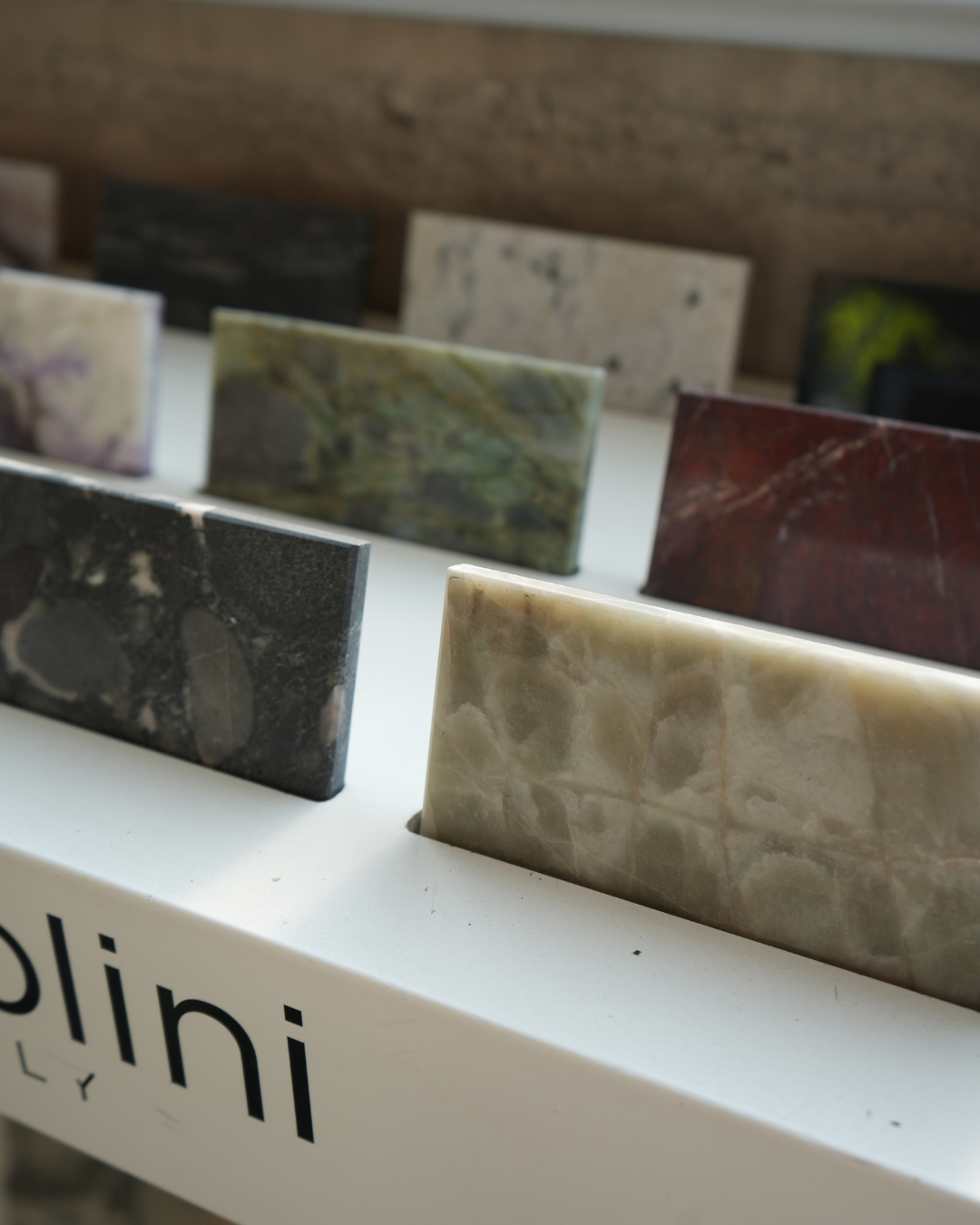
Most people begin selecting stone by looking at colour.
White marble.
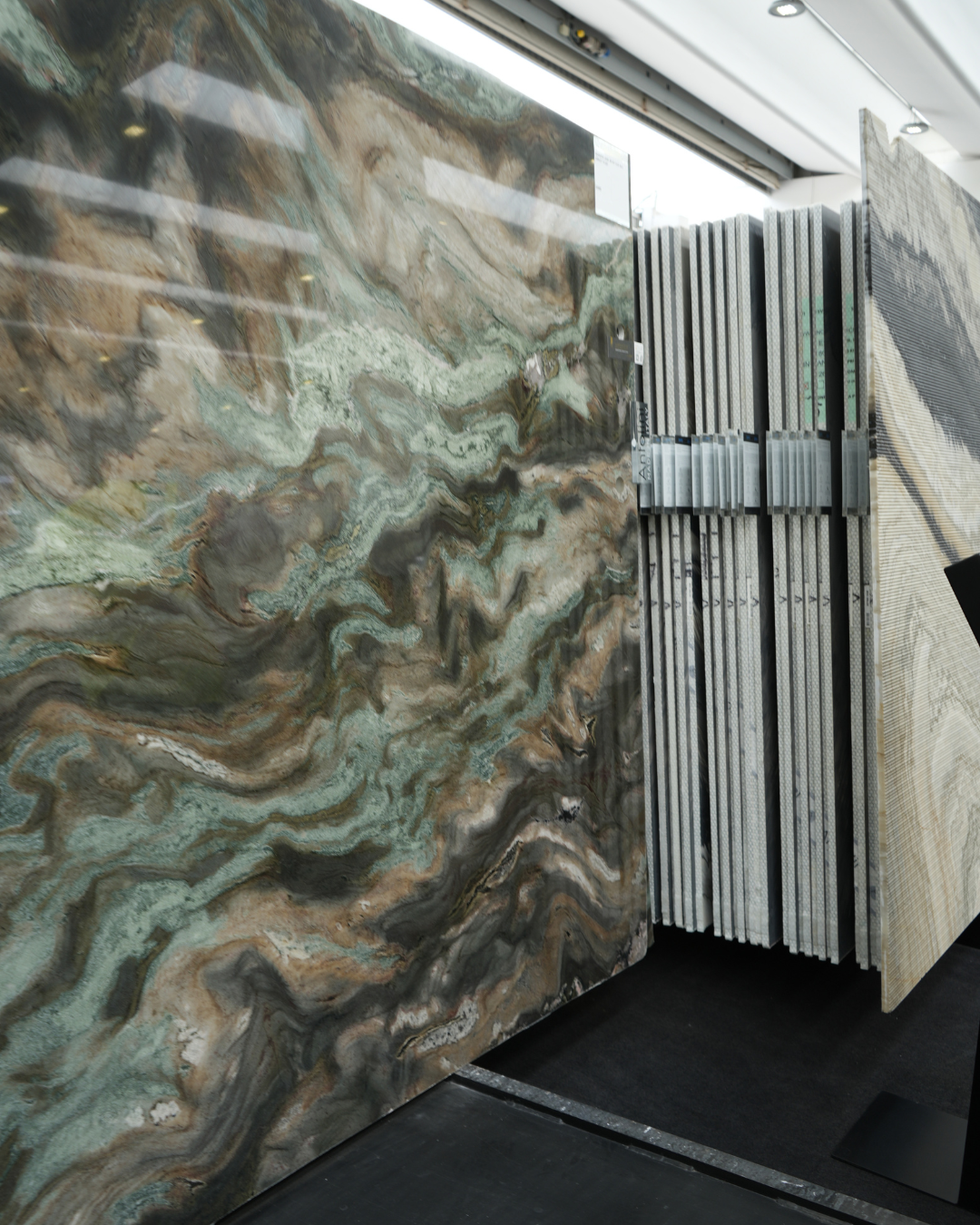
Green marble.
Black marble.
And while colour certainly plays a role, it's often one of the last things we're thinking about when sourcing stone for a project.
What designers are really looking at is movement, scale, texture, and how a material changes the atmosphere of a room.
Because two slabs with the exact same colour palette can create completely different feelings once installed.
Movement Is What Gives Stone Its Personality
The first thing we often notice is movement.
Some stones feel quiet and restrained.
Others feel expressive and dramatic.
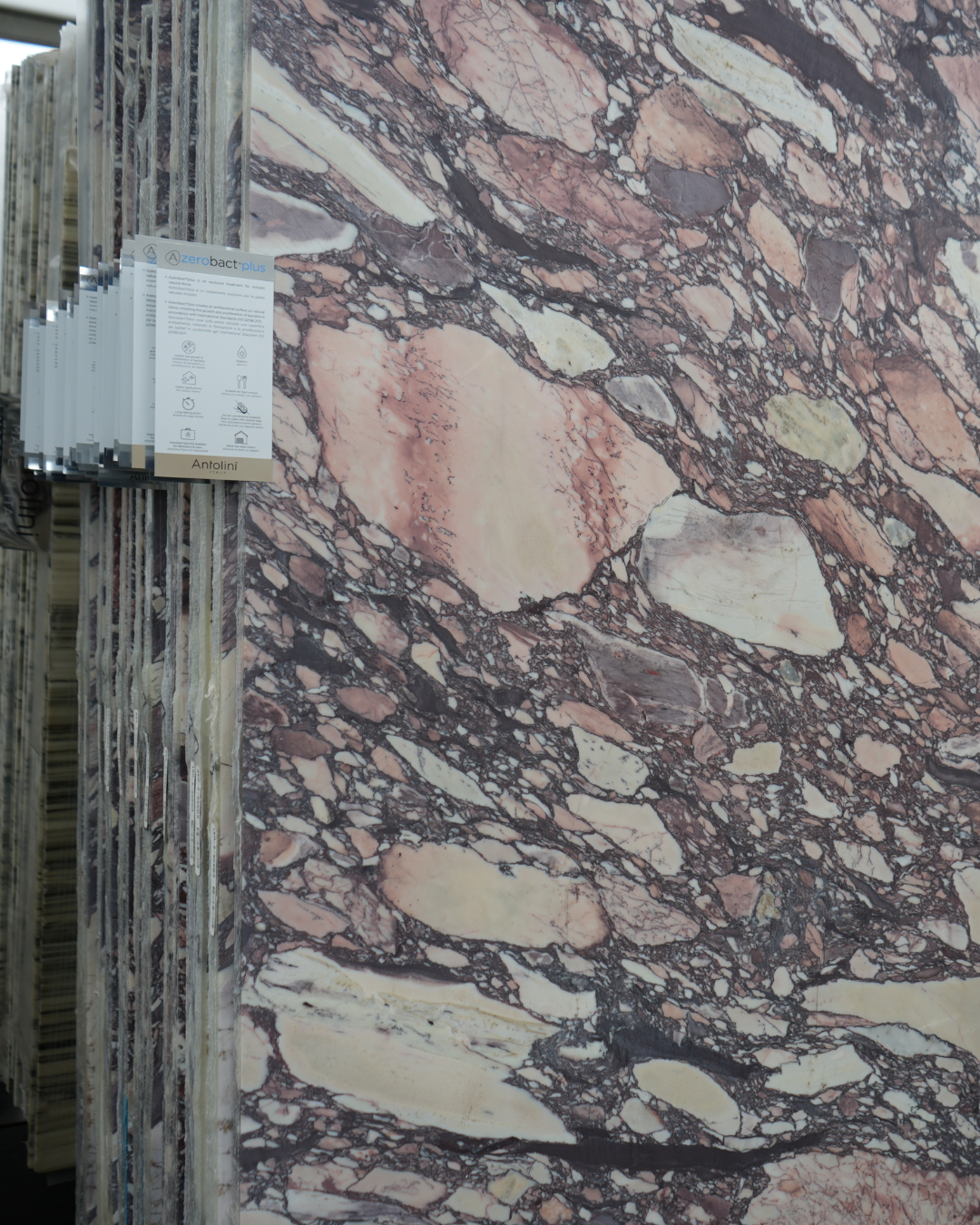
Brecciated marble, for example, is defined by fragmented mineral compositions and layered movement. The patterning tends to feel energetic and highly detailed, making it a natural focal point within a room.
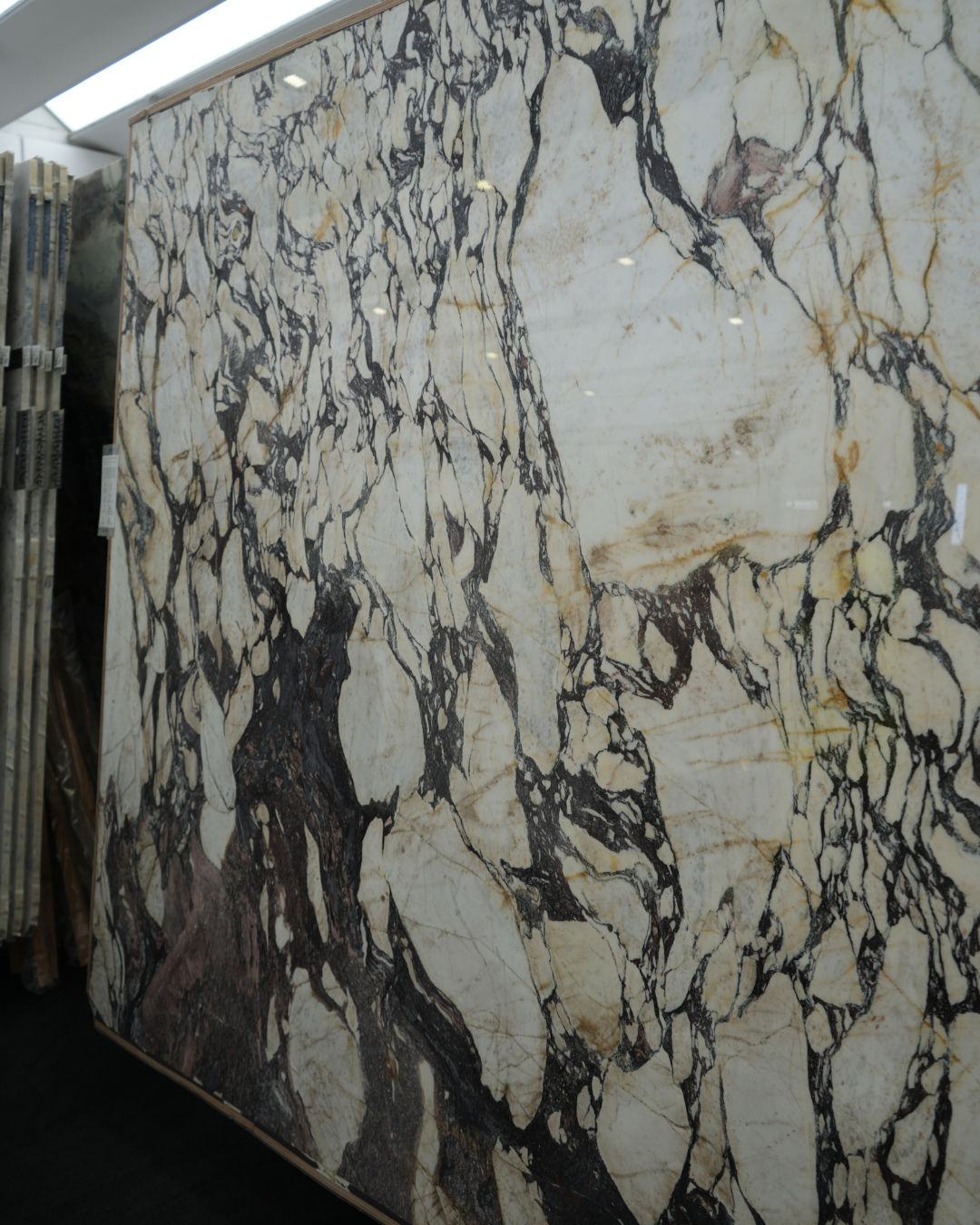
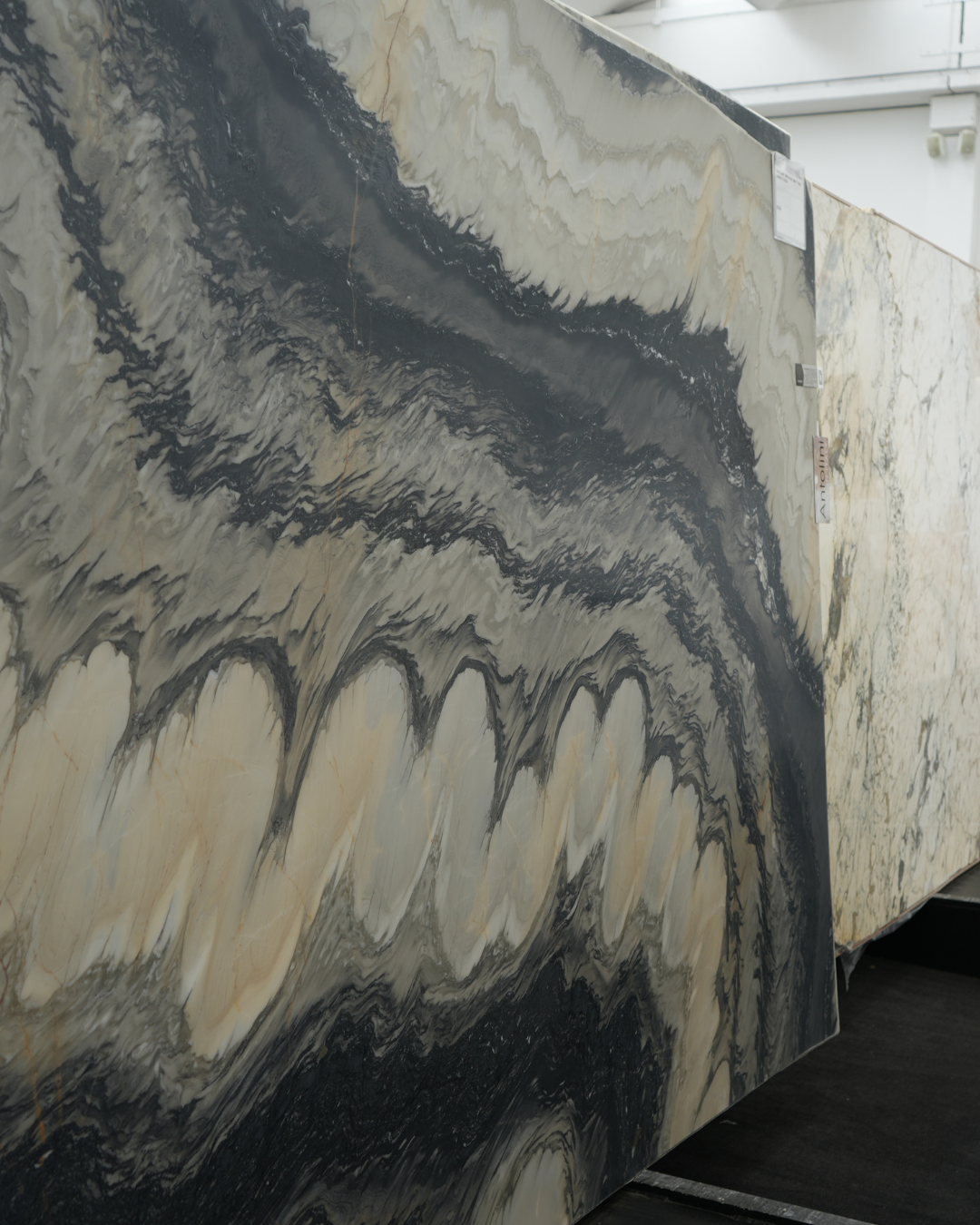
Quartzites with tectonic movement create a completely different effect. Large-scale ribboning and directional flow can feel almost architectural, guiding the eye across a surface in a way that influences the entire space.
Scale Changes Everything
One of the most overlooked considerations is scale.
A dramatic slab with large, sweeping veining can feel extraordinary in the right room, but overwhelming in the wrong one.
Likewise, a quieter stone can create exactly the sense of calm and balance a space needs.
We consider the scale of the architecture at the same time we're considering the scale of the material.
The most successful selections create a conversation between the two.
Texture Is Part of the Experience
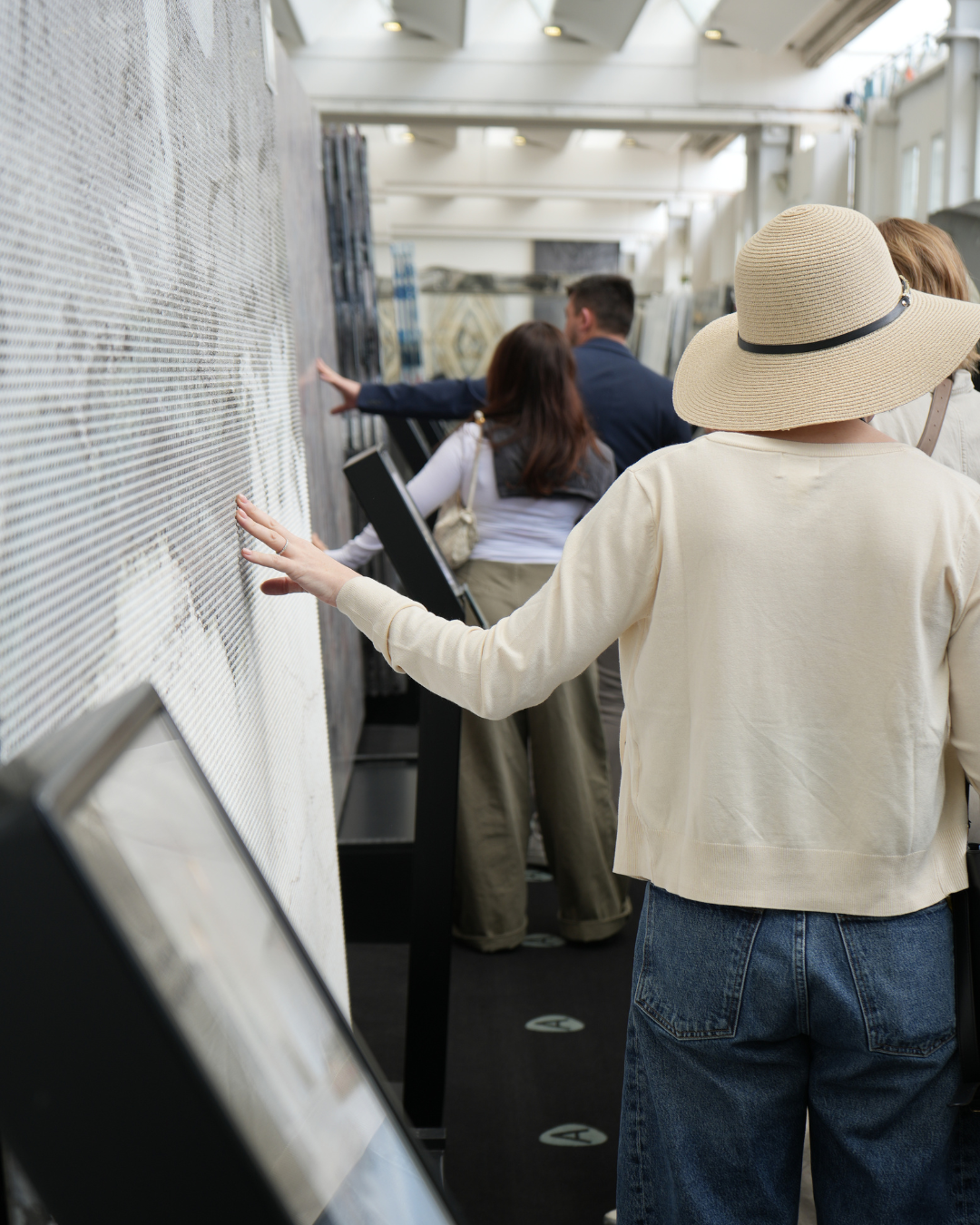
Stone isn't experienced through sight alone.
It's experienced through touch, light, and surface finish.
A honed stone feels entirely different from a polished one.
A textured or vein-cut stone introduces another layer of rhythm and depth, allowing the finish itself to become part of the design story.
In many cases, the texture of the stone can be just as influential as the pattern within it.
Light Changes Everything
Few materials respond to light the way stone does.
Onyx and translucent stones are perhaps the most obvious example, changing dramatically throughout the day as natural light shifts across their surface.
But every stone responds to light differently.
The same slab can feel soft and subtle in the morning, then bold and expressive by evening.
This is why we rarely choose stone in isolation.
We're always considering the architecture, the natural light, and the broader palette of the home.
The Most Interesting Rooms Consider Stone Early
One of the biggest misconceptions about stone is that it's a finishing decision.
In reality, it often influences everything that follows.
Cabinetry.
Hardware.
Paint colours.
Lighting.
Furniture.
The most successful projects begin thinking about these relationships early, allowing the material to become part of the design language of the home rather than a final addition.
Final Thoughts
The beauty of stone is never about one thing alone.
It's about the way every element works together.
Movement.
Depth.
Scale.
Texture.
And how the material changes the atmosphere around it.
The most interesting stones aren't always the most dramatic.
They're the ones that create exactly the feeling the room was asking for.